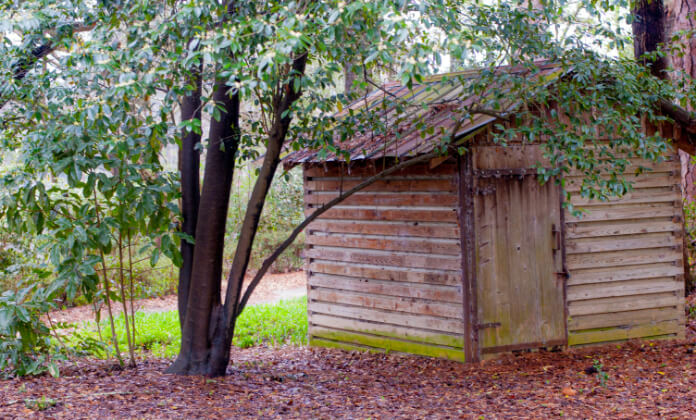
Garden Shed Vs Self-Storage: Which Is Right For You?
Should you get a shed or a storage unit? A shed is best for things you use every week, like the lawnmower and garden tools, because it's right outside the back door. A storage unit is better for bulkier or more valuable things, anything you only need now and then, and kit that would suffer from a damp winter in a shed. A shed is a one-off cost plus upkeep. A storage unit is a monthly fee you can stop when you don't need it any more.
For generations, the garden shed has been a ubiquitous sight in British back gardens. A place to stash tools, pots, and the slightly-too-ambitious DIY projects of yesteryear, it's a symbol of British resourcefulness. But is the traditional shed always the best solution for your storage needs?
When a Shed Isn't Enough: Exploring Alternatives
As our homes and gardens evolve, so do our storage requirements. Sometimes, the trusty shed just doesn't cut it. Perhaps you've accumulated more than you anticipated, or maybe the shed itself has succumbed to the ravages of time and weather. Whatever the reason, it's worth exploring the alternatives.
Introducing the Contenders: Sheds vs. Self-Storage
Here we will explore the pros and cons of two popular storage options: the classic garden shed and the increasingly popular self-storage unit. We'll examine everything from cost and convenience to security and suitability, helping you make an informed decision about the best way to safeguard your belongings.
Garden Sheds: The Pros and Cons:
Pros of Garden Sheds
Convenience at Your Doorstep: The most obvious advantage of a garden shed is its proximity. Your tools and garden equipment are just a few steps away, making those spur-of-the-moment gardening sessions a breeze.
Cost-Effective (Initially): Building or buying a shed can seem like a one-off expense, potentially cheaper upfront than ongoing storage fees. However, it's crucial to consider the long-term costs, which we'll discuss later.
Customisable Space: You can tailor your shed to your specific needs, adding shelves, workbenches, and other features to maximise its functionality.
Adds Value to Your Property (Potentially): A well-maintained shed can be an attractive feature for potential buyers, potentially boosting your property's value.
Cons of Garden Sheds
Limited Space: Sheds come in various sizes, but even the largest ones can quickly become cramped. If you have a lot of items to store, a shed might not be sufficient.
Susceptible to Weather Damage: Sheds are exposed to the elements, making them vulnerable to wind, rain, snow, and sun damage. This can lead to dampness, rot, and damage to your stored items.
Security Concerns: Sheds are often targeted by thieves, as they are known to contain valuable tools and equipment. Standard shed locks are often easily bypassed, making them a security risk.
Maintenance Requirements: Sheds require regular maintenance to keep them in good condition. This includes painting, treating the wood, repairing leaks, and preventing rot.
Self-storage units are typically secure and weatherproof, protecting your belongings from the elements
Can Attract Pests: Sheds can be a haven for pests such as rodents, insects, and spiders. These pests can damage your stored items and create unsanitary conditions.
Planning Permission Considerations: Depending on the size and location of your shed, you may need planning permission from your local council. This can be a time-consuming and complicated process.
Self-Storage: The Pros and Cons
Pros of Self-Storage
Enhanced Security: Self-storage facilities like Go2Storage in Avonmouth typically have robust security measures in place, including CCTV surveillance, gated access and sophisticated alarm systems.
Flexible Storage Solutions (Size and Duration): You can choose a storage unit that perfectly fits your needs, from small lockers to large units. You can also rent a unit for as long or as short a time as you need it.
Professional Management and Support: Self-storage facilities are professionally managed, providing you with support and assistance when you need it.
Protection from the Elements: Self-storage units are typically secure and weatherproof, protecting your belongings from the elements.
Cons of Self-Storage
Ongoing Costs: Unlike a shed, self-storage involves recurring rental fees, which can add up over time.
Less Convenient Access: You'll need to travel to the self-storage facility to access your belongings, which can be less convenient than having a shed in your garden.
Can Feel Impersonal: Some people find self-storage facilities impersonal and prefer the familiarity of their own shed.
Potential for Hidden Fees: It's essential to read the self-storage contract carefully to understand all the fees involved, as there may be additional charges for things like protection policies.
Comparing Costs
Upfront Costs: Shed Construction vs. Storage Unit Rental: The initial outlay for a shed can be significant, especially if you're building it from scratch and you’ll either need plenty of spare time or you will have to pay someone to assemble it for you. Self-storage, on the other hand, usually requires a deposit and the first month's rent upfront.
Long-Term Expenses: Maintenance vs. Recurring Fees: While a shed might seem cheaper initially, remember the ongoing costs of maintenance, repairs, and potential replacements. Self-storage has recurring fees, but these usually cover security, maintenance, and other services.
Considering Value for Money: Consider what you're storing and how often you'll need to access it. If you're storing valuable items long-term, self-storage might offer better value for money due to its enhanced security and protection.
Security Considerations
Shed Security: Locks, Alarms, and Vulnerabilities: Sheds are notoriously easy to break into. While you can improve security with robust locks, alarms, and security lighting, they are still more vulnerable than a purpose-built storage facility.
Self-Storage Security: CCTV and Secure Access: Self-storage facilities invest heavily in security, with features like CCTV surveillance, gated access, secure keyless entry and alarms. This significantly reduces the risk of theft or vandalism.
Accessibility and Convenience
Garden Shed Access: Immediate and Easy: Nothing beats the convenience of having your storage right outside your back door. You can access your shed whenever you need to, without having to travel.
Self-Storage Access: Opening Hours and Travel Time: Self-storage facilities often have set opening hours, and you'll need to factor in travel time to and from the facility. However, many facilities such as Go2Storage offer 24/7 access making it easier to pick up your equipment as soon as you need it.
If you need storage for a short period, self-storage might be a more flexible option
Seasonal Storage
Garden tools, lawnmowers, garden furniture, bikes, plant pots, and other garden-related items are typically stored in sheds. However, many of these items are only used during the warmer months and could easily be transferred to self-storage over the winter to keep them protected from damage from moisture, damp or pests.
Making the Right Choice
Assessing Your Storage Needs: Before deciding between a shed and self-storage, take a thorough inventory of what you need to store. Consider the size, value, and sensitivity of your items.
Budget Considerations: Evaluate your budget and determine how much you're willing to spend on storage. Factor in both upfront and ongoing costs.
Long-Term vs. Short-Term Storage Solutions: If you need storage for a short period, self-storage might be a more flexible option. For long-term storage, a shed might be more cost-effective in the long run, provided you factor in maintenance costs.
Both garden sheds and self-storage units offer viable storage solutions, but the best choice depends on your individual needs and circumstances.
By carefully considering the pros and cons of each option, assessing your storage requirements, and evaluating your budget, you can find the perfect storage solution to keep your belongings safe, secure, and easily accessible. Don't rush the decision. Take your time, weigh the options carefully, and choose the solution that best suits your lifestyle and storage needs.
Frequently Asked Questions
Usually, yes. Standard shed locks are easy to get past. Go2Storage sites have 24/7 CCTV, gated access and alarmed units, and only you can open your unit through the app.
Usually not, in England. A shed normally counts as permitted development if it's single storey, isn't in front of the house, and, together with other outbuildings and extensions, doesn't cover more than half the garden. Within 2 metres of a boundary it can be no more than 2.5 metres high. Different rules apply to flats, listed buildings and conservation areas, so check with your council if you're unsure.
Anything that damp or the cold could damage: garden furniture and cushions, bikes, power tools and the lawnmower. Petrol can't go into a storage unit, so drain the mower's fuel first. Our winter preparation guide has more ideas.
Yes. Go2Storage units are rented month to month with no long-term contract, so you can book one in the autumn and stop paying in spring. You book online, and you can get in 24 hours a day if you need something mid-season.
Keep everything off the floor on shelves or pallets, leave a gap between your things and the walls, and make sure the roof felt and door seals are sound. Moisture absorbers help in smaller sheds. Anything valuable or fabric-based is safer kept somewhere drier over winter.